
Hello
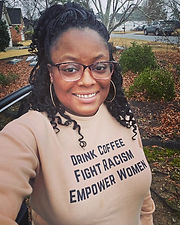
I’m Dr. Destiny Huff, LPC, an Autistic and ADHD therapist, non-attorney special education advocate, parent of neurodivergent learners, and co-host of The Affirming Village Podcast.
I help families understand what may be happening beneath dysregulation, identify barriers to meaningful educational access, and advocate for supports that honor their learner’s communication, autonomy, regulation, identity, and mental health.
My work is shaped by professional training, lived experience, and my own journey navigating public education as a parent.
Then let the longer section tell the fuller professional story.


Experience That Shapes My Advocacy
Mental Health and Trauma Experience
I have spent more than 15 years working in the mental health field across early childhood, elementary, middle, and high school settings. My experience also includes serving as a reintegration case manager for youth in foster care, working as a case manager, supervising clinicians, and supporting children and families navigating trauma, mental health diagnoses, disability, and major life transitions.
This background shapes how I approach special education advocacy. I understand that behavior cannot be separated from a learner’s regulation, communication, sensory needs, trauma history, relationships, environment, and access to appropriate support.
Dr. Destiny Huff, LPC
Mental Health Therapist and Non-Attorney Special Education Advocate
Here's to Not Doing It Alone,
Destiny

Education and Systems Experience
Throughout my career, I have worked alongside early childhood educators, teachers, instructional coaches, administrators, related service providers, and school support staff. These experiences have allowed me to see how school systems operate and how gaps in training, communication, collaboration, and capacity can affect neurodivergent learners.
I have also seen what becomes possible when families and school professionals have the information, tools, and support needed to work together. My goal is not simply to identify what is going wrong, but to help teams get curious, recognize barriers, and develop support that is responsive to the whole learner.
Special Education Advocacy
My path into special education advocacy became personal when my oldest child entered public school. I quickly learned how overwhelming, isolating, and confusing the process can feel when a learner’s disability-related needs are misunderstood and a parent is trying to navigate evaluations, meetings, services, behavior concerns, and school communication without adequate support.
That experience strengthened my commitment to helping families understand the special education process and participate meaningfully in decisions about their learners.
Today, I help parents understand evaluations and school documentation, get curious about what may be contributing to dysregulation, identify deficit-based or biased language, prepare for meetings, develop informed requests, and advocate for IEPs and 504 Plans that are more neuroaffirming, strengths-based, trauma-informed, and responsive to the learner’s actual needs.
I also provide training and consultation for educators, related service professionals, organizations, and school communities on neuroaffirming practices, restraint and seclusion reduction, behavior through a root-cause lens, and culturally affirming support for disabled Black and brown learners.
Why I became an Advocate
In 2021, our oldest child entered the public school system while our family was living in Louisiana and my husband was on active duty. Although we shared information about our child’s needs and requested additional support, his disability-related differences were often interpreted as behavior that needed to be corrected.
We requested meetings, a behavior plan, and a special education evaluation. Instead of receiving meaningful support, we experienced frequent phone calls, early pick-ups, and suspensions, including three suspensions within the first few weeks after winter break.


Before this experience, I had worked alongside educators, school staff, and administrators for years. I believed that my professional background and knowledge of child development and mental health would help me navigate the process. Instead, I learned how confusing, isolating, and overwhelming special education can feel when families are not given clear information, their concerns are minimized, or a learner’s needs are misunderstood.
With support from trusted friends, educators, advocates, and clinicians, I began learning everything I could about evaluations, eligibility, IEPs, school-based supports, and parent participation. After pursuing clinical and educational evaluations, our family gained a deeper understanding of our children’s communication, sensory, attention, learning, and regulation needs.
I later pursued my own evaluation and learned that I am Autistic and ADHD. That experience gave me language for parts of myself I had spent years trying to understand and deepened my commitment to advocacy that centers lived experience, identity, autonomy, communication, regulation, and mental health.
These experiences, rooted in advocacy, misunderstanding, persistence, learning, and love, shaped the work I do today. I became an advocate because families deserve clear information and meaningful partnership, and neurodivergent learners deserve support that recognizes their needs without asking them to sacrifice who they are.
What I Believe
At the heart of my work is the belief that:
-
Every learner deserves safety, agency, meaningful access, and support that honors who they are, not who systems expect them to become.
-
Every parent deserves information, tools, confidence, and collaborative support to advocate without being shamed, dismissed, or expected to navigate the process alone.
-
Every educator and related service professional deserves relevant, neuroaffirming professional development that helps them understand and support disabled learners more effectively.
I cannot wait to help you advocate for your neurodivergent learner at the IEP table.
Professional Credentials
-
Licensed Professional Counselor
-
Certified TF-CBT for Children and Adolescents
-
Non-Attorney Special Education Advocate
-
COPAA Seat 1.0 Graduate
Memberships and Leadership
-
COPAA Member
-
Council for Exceptional Children Member
-
Board Member of PDA North America
-
Wrightslaw Special Education Law & Advocacy Training
-
Master IEP Coach® Certificate & Mentorship